

A newly built home is not automatically the more expensive choice. In the Austin-area market, the right comparison looks beyond the advertised price to incentives, monthly payments, included features, upkeep, and the costs you can reasonably expect over time. A thoughtful side-by-side review can reveal whether new construction or resale better fits your budget and priorities.
When buyers begin comparing homes around Austin, Leander, Georgetown, Cedar Park, Round Rock, and nearby communities, one assumption comes up often: a new home must cost more than a resale home. Sometimes it does. But that is not a rule, and it is not a useful stopping point for a buying decision.
New construction and resale homes are priced according to different circumstances. A builder may be working through completed inventory, opening a new phase, adjusting to buyer demand, or offering financing support through a preferred lender. Meanwhile, a resale seller may have a home in an established neighborhood, a larger lot, mature landscaping, or improvements that affect its value. The better question is not simply, “Which home has the lower price?” It is, “Which option makes the most sense for my full budget and the way I want to live?”
Why the advertised price is only the beginning
A list price is a starting point, not the complete financial picture. With a resale home, the listed amount is usually the primary figure for negotiation, though the home’s condition, competing offers, seller priorities, and inspection findings can all influence the final agreement. With a new home, the base price may be only one part of a more detailed menu of choices.
Builders commonly price homes by floor plan, homesite, elevation, and included finish package. A particular lot might carry a premium because of its location within the community or its view. A model-home tour may also showcase upgraded flooring, cabinetry, lighting, appliances, or outdoor features that are not included in the base price. That does not make new construction a poor value; it simply means buyers should ask for an itemized understanding of what is included in the home they are considering.
It is equally important to compare homes that solve the same need. A brand-new, smaller home in a growing community may be priced differently from an older, larger home in an established area. Compare location, usable space, lot, commute, monthly ownership costs, condition, and features before deciding one is inherently more or less expensive.
Incentives can change the comparison
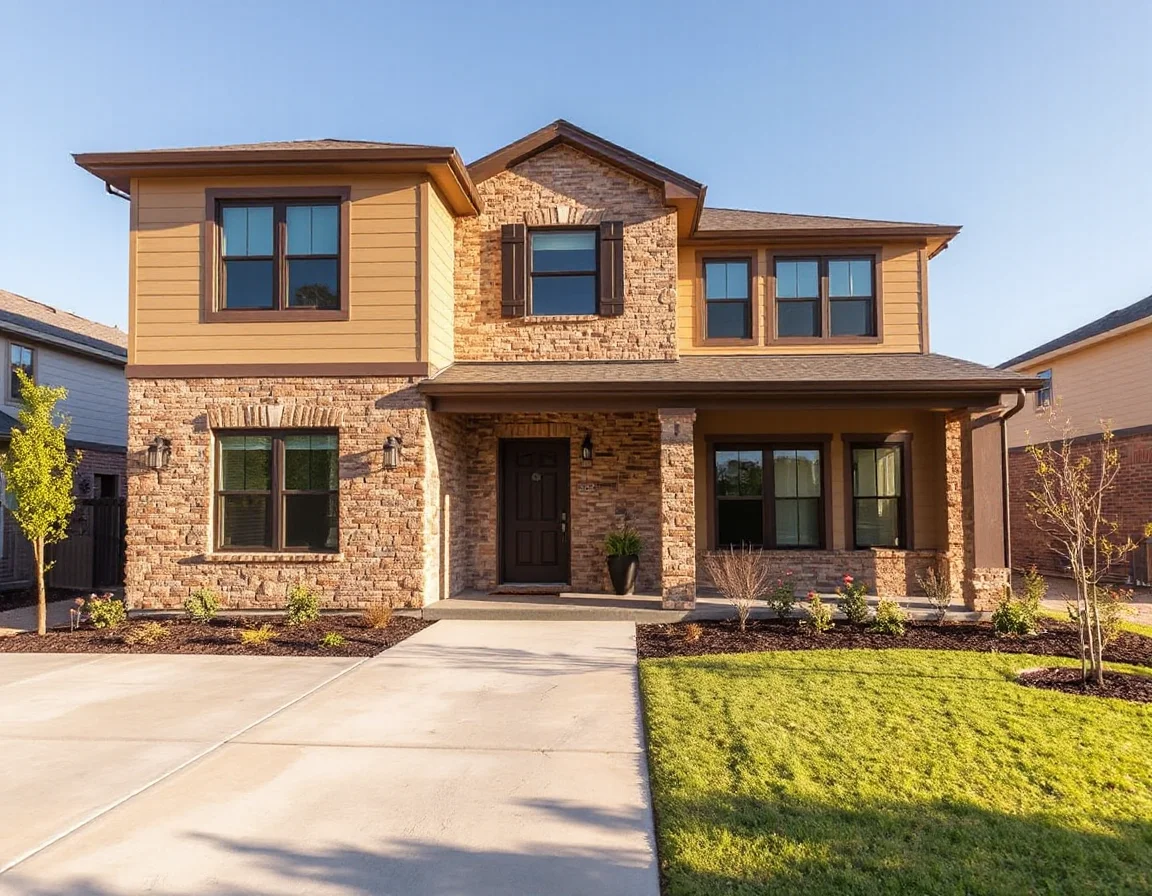
One reason a new home may compete more closely with resale pricing is builder incentives. Depending on the builder, community, timing, and home, an offer might involve a contribution toward certain closing costs, a financing-related incentive, an interest-rate option through a participating lender, or a package of selected upgrades. These offerings vary, can change quickly, and usually come with terms, so they should be reviewed carefully rather than treated as automatic savings.
The key is to evaluate the incentive alongside the entire transaction. A credit toward closing costs may reduce cash needed at closing. A financing incentive may affect the monthly payment. An upgrade package may reduce out-of-pocket spending after move-in. Each can be meaningful, but none replaces a careful look at the sales price, loan terms, fees, and the features actually included.
A strong comparison puts the same items on both sides of the page: purchase price, estimated cash to close, monthly payment, taxes, insurance, HOA charges, expected repairs or improvements, and the cost of must-have features. The lower sticker price does not always create the lower overall cost.
Resale homes can offer flexibility, too. A seller may be open to a price adjustment, a closing-cost contribution, or repairs based on inspection results. A resale property may also include appliances, window treatments, landscaping, or other features that a buyer would need to add to a new home. The right opportunity depends on the individual home and the terms available when you are ready to buy.
Consider warranties, efficiency, and early maintenance
New construction often appeals to buyers who want the predictability of new systems and materials. Builders typically provide written warranty coverage with specific terms for different parts of the home. Buyers should read those documents closely, understand how to submit a claim, and learn what is excluded. Warranty coverage is valuable information, but it is not a substitute for due diligence, a final walkthrough, or an independent inspection when appropriate.
A newer home may also incorporate more current construction practices and energy-focused features. Efficient equipment, insulation, windows, and smart-home components can influence comfort and operating costs, but results depend on the particular home, household habits, utility rates, and maintenance. Ask for the actual specifications instead of assuming every newly built home will perform the same way.
Resale homes may require more immediate attention to aging roofs, HVAC equipment, appliances, or cosmetic finishes, but that is not always the case. A well-maintained resale home can be an excellent option, especially when its location, character, or established setting matters to you. Its condition should be evaluated based on inspections, seller disclosures, records, and your plans for the property—not its age alone.
Upgrades and move-in costs deserve a real budget
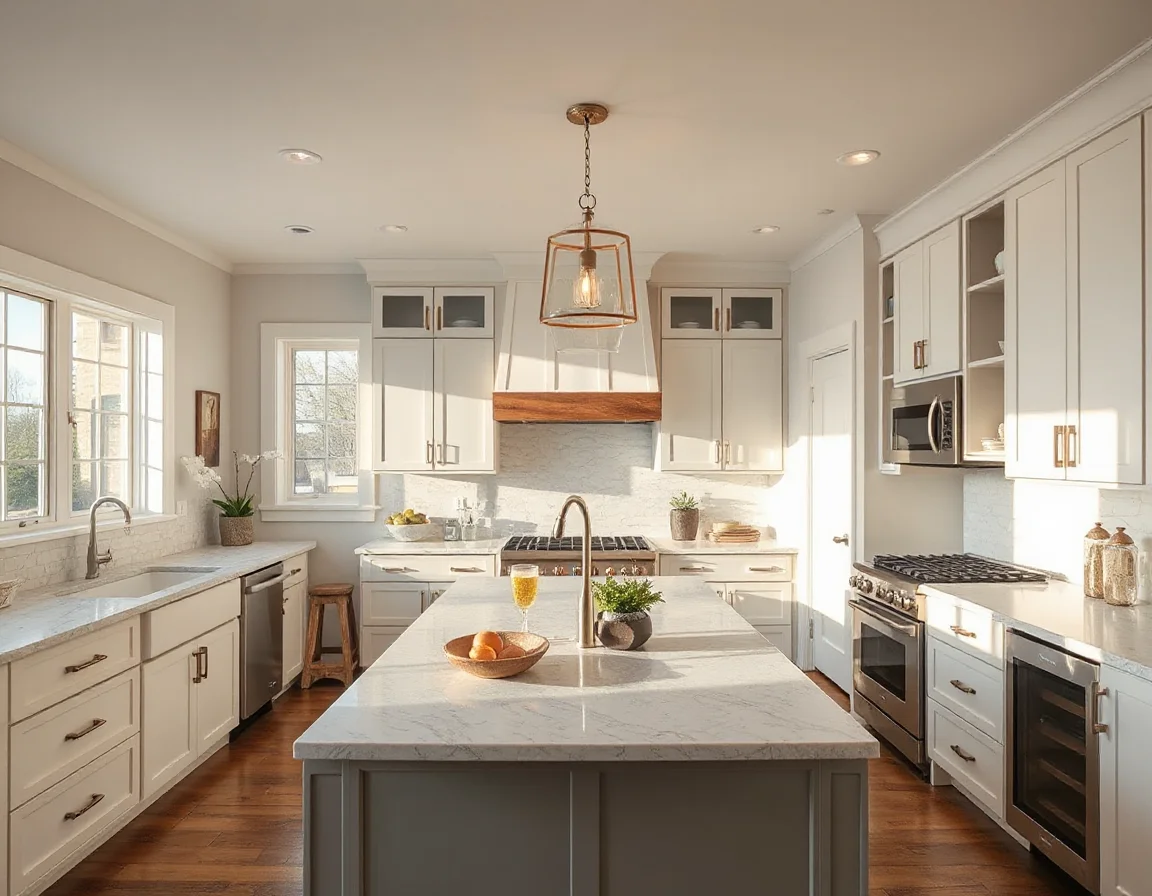
One of the most common surprises in new construction is the difference between a beautiful model and the included home. Before signing, identify the finishes and features that matter most to your daily life. Flooring beyond standard areas, a refrigerator, window coverings, ceiling fans, backyard landscaping, a patio, storage, and specialty lighting can all affect your move-in budget. Some communities also have design requirements or homeowner association rules that shape future exterior projects.
With resale, many of those elements may already exist, although they may not match your taste. That creates a different decision: would you rather select finishes now and pay for them directly, or accept existing finishes and update over time? Neither answer is universally better. The most practical choice is the one that leaves room in your budget for priorities without putting your long-term financial comfort at risk.
Do not let a model home set your expectations without a written inclusions list. Ask to see the actual home, the chosen selections, and any homesite-specific charges before using a price in your budget.
Timing matters as well. A completed or nearly completed new home may offer a simpler move-in path, while a home still under construction can require patience and flexibility around projected completion dates. A resale home may close sooner, but the schedule can still depend on inspections, financing, and negotiations. If a lease ending, school timing, or a job move is part of your decision, build that timeline into the comparison.
Questions to ask before choosing a builder
A builder’s sales team can be a helpful source of information, and buyers should feel comfortable asking detailed questions. Taking notes and getting key answers in writing can make it easier to compare communities and homes without relying on memory after several tours.
- What is included in the advertised price for this specific homesite and floor plan?
- Which upgrades, lot premiums, design selections, and appliances would add to the price?
- Are there current incentives, and what requirements or expiration dates apply?
- Can I use my own lender, and how would that affect available incentives or timelines?
- What are the estimated property taxes, HOA dues, insurance considerations, and utility setup costs?
- What warranty coverage is provided, what does it exclude, and how are service requests handled?
- What is the expected completion window, and what happens if the schedule changes?
- May I arrange independent inspections at appropriate stages and before closing?
- What landscaping, fencing, outdoor living features, and community amenities are included?
- Are there future phases, roads, commercial areas, or amenities planned near this homesite?
Choose the home that supports your next chapter
A new home may be a compelling option when you value modern design, a fresh start, warranty coverage, and the ability to personalize selected details. A resale home may be the better fit when you prioritize an established neighborhood, a particular location, mature surroundings, or features that are already complete. The best value is personal: it is the home that meets your needs at a cost you can carry comfortably.
Before making a decision, compare written estimates for both paths and look past the first number you see. Review the purchase contract, financing terms, included features, inspection findings, projected monthly payment, and likely first-year expenses. A calm, detailed review can help you move forward with more confidence and fewer surprises.
If you are weighing new construction against resale options in the Austin area, connect with our team for help comparing the details. We can help you organize the questions, evaluate the trade-offs, and focus your search on homes that align with your budget, timing, and goals.